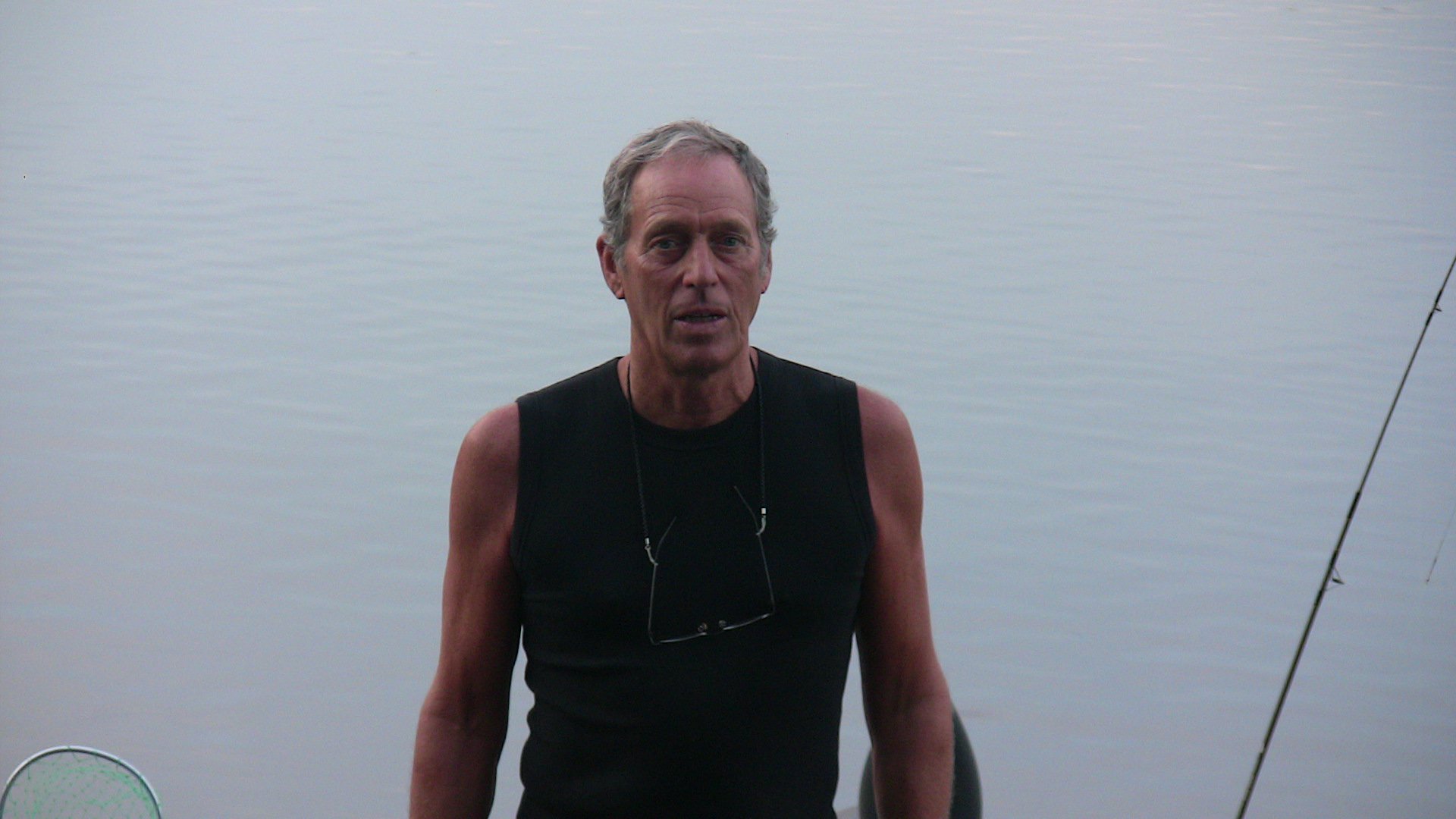
Your body has been healing itself since the day you were born. You didn’t have to teach it how. You didn’t have to buy a special program or hire somebody to show it what to do. It just got on with the job.
Cut your finger, and your body goes to work closing the wound. Break a bone, and it begins the complicated business of putting things back together. Catch an infection, and your immune system gets busy defending you.
Pretty remarkable when you stop and think about it, isn’t it?
And yet, how often do we really think about the body’s natural healing ability? How often do we ask ourselves what we’re doing to help it?
That’s what I want to talk about. Not some miracle cure or the latest expensive supplement. I’m talking about natural healing—the extraordinary biological machinery we’ve been walking around with our entire lives.
Natural Healing Isn’t Some New Discovery
Sometimes I think we get so caught up in trying to fix everything that we forget how much the body is already doing for us.
Right now, while you’re reading this, your body is maintaining your temperature, regulating your blood sugar, replacing worn-out cells, repairing microscopic damage, and keeping an astonishing number of systems working together.
You don’t have to consciously direct any of it.
Different tissues renew themselves at different rates. The lining of your intestine turns over rapidly. Red blood cells typically circulate for about four months. Your skin is constantly replacing cells, and your bones are continually being remodeled.
Not every part of the body regenerates equally, of course. Some damage is permanent. But the amount of maintenance and repair taking place every day is extraordinary.
That’s what makes natural healing such an interesting subject to me. We’re not talking about something the body has to learn. We’re talking about processes that are already part of us.
And here’s what interests me: if our bodies are already doing all this work, shouldn’t we be doing everything reasonably possible to support them?
Prevention Is More Than Avoiding Disease
I’ve believed in prevention for most of my life. To me, it makes a hell of a lot more sense to look after something before it breaks than to wait until everything goes wrong and start scrambling for solutions.
We understand that principle with our cars, our houses, and just about everything else we own.
Why should our bodies be any different?
But prevention isn’t just about avoiding illness. It’s about giving your body the conditions it needs to function properly in the first place.
Exercise, nutritious food, adequate sleep, and managing stress aren’t simply items on some healthy-living checklist. They influence real biological processes involved in metabolism, immune function, tissue maintenance, and recovery.
To me, natural healing and prevention belong together. One is about what the body is capable of doing. The other is about the choices we make to support those capabilities.
Here’s how I look at it: Your body comes equipped with its own maintenance and repair systems. Your job is to give those systems the best possible working conditions.
That’s been a central part of my own approach to health, and it’s one of the reasons I started sharing my personal health journey.
Movement: Give Your Body a Reason to Stay Strong
I’ve been physically active for most of my life. Years ago, I practiced yoga and regularly ran 10 kilometres. These days, my routine is different. I walk, stretch, do squats, and dance to music whenever the mood strikes me.
And yes, I mean actually getting up and dancing. You don’t need a gym membership or a complicated exercise program to move your body.
Movement does far more than burn calories.
Regular physical activity encourages muscles to adapt and grow stronger. It improves circulation, supports cardiovascular health, helps regulate blood sugar, and influences the way our cells produce and use energy.
Exercise also stimulates adaptations in mitochondria, the structures inside our cells that produce much of the energy needed to keep us functioning.
As we get older, maintaining muscle and physical capacity becomes especially important. The old saying about using it or losing it has some real biology behind it.
That’s another part of natural healing worth remembering: the body doesn’t just repair damage. It can also adapt to the demands we place on it.
I don’t believe we need to exercise ourselves into the ground. But I do believe we need to keep moving.
Sleep: When the Body Gets Down to Business
Sleep is another one of those things that’s easy to take for granted.
We spend roughly a third of our lives sleeping. That’s an enormous investment of time, and there’s a good reason for it.
Sleep supports immune function, tissue recovery, hormonal regulation, memory, and many other processes that keep the body operating properly.
When you consistently shortchange yourself on sleep, you’re interfering with systems that depend on adequate rest.
There’s no magic to getting a good night’s sleep. But there is an awful lot of biology involved.
And if we’re serious about natural healing, sleep deserves considerably more respect than it often gets.
We can spend all the money we want on supplements and health gadgets, but none of that makes sleep unnecessary. Sometimes the simplest things are the ones we overlook.
Nutrition: You Can’t Rebuild Without Materials
Imagine trying to repair a house without lumber, nails, or anything else you need to do the job.
That’s how I think about nutrition.
Your body needs protein, essential fats, vitamins, minerals, and other nutrients to maintain tissues, produce enzymes, support immune defenses, and carry out countless everyday functions.
It can adapt to a remarkable range of circumstances, but it can’t manufacture every essential nutrient from nothing.
And that’s why I think what we put into our bodies matters so much.
I’m not interested in turning eating into some miserable, complicated exercise. But I do think we should pay attention to whether we’re actually nourishing ourselves or simply filling our stomachs.
Good nutrition doesn’t guarantee natural healing from every illness. But providing the body with the materials it needs is a sensible place to start.
Autophagy: Your Body’s Built-In Recycling System
Now here’s something I find particularly fascinating.
Our cells have a process called autophagy. The word essentially means “self-eating,” which sounds a little alarming until you understand what’s going on.
Autophagy allows cells to break down and recycle certain damaged or unnecessary components. Think of it as an internal housekeeping system that helps maintain cellular health.
Instead of simply allowing worn-out material to accumulate indefinitely, cells can dismantle some of it and reuse the building blocks.
It’s an extraordinary process, and researchers have been studying its relationship to aging, metabolism, and disease.
When I talk about natural healing, this is exactly the sort of biological process that fascinates me. The body has ways of maintaining itself that most of us never even hear about.
Where Fasting Comes Into the Picture
I’ve practiced fasting for more than 50 years, including extended water-only fasts. It’s been part of my approach to health for much of my adult life.
One reason fasting interests me is the way the body adapts when food is temporarily unavailable.
As fasting continues, the body changes how it obtains and uses energy. Stored glycogen becomes depleted, fat metabolism increases, and ketones can become an important alternative fuel.
Research also suggests that nutrient deprivation can influence autophagy, particularly in laboratory and animal studies.
But there’s an important detail worth understanding. Autophagy isn’t something that suddenly switches on after a magical number of fasting hours. It’s happening at varying levels all the time, and researchers are still working out precisely how different fasting patterns affect it in humans.
That doesn’t make the process any less fascinating.
To me, it demonstrates just how adaptable the human body can be.
And it’s another reason I believe we should learn more about our own physiology instead of treating the body as some mysterious machine we know nothing about.
What Gets in the Way of Natural Healing?
If the body has all these systems working to maintain itself, what happens when we continually make their jobs more difficult?
Consider some of the things that have become normal in modern life:
- Spending most of the day sitting instead of moving.
- Getting too little sleep and calling it normal.
- Eating plenty of calories without necessarily getting adequate nutrition.
- Living under constant stress without making time for recovery.
- Ignoring early warning signs until they become impossible to overlook.
None of these things guarantees that you’ll become ill. And doing everything right doesn’t guarantee perfect health, either.
But our daily habits can influence the conditions under which our bodies operate.
And when we’re talking about natural healing, those conditions matter.
I’ve spent a lot of time thinking about the difference between treating a problem after it develops and doing what we can to prevent it in the first place.
Take Responsibility Before Something Goes Wrong
One thing I’ve learned over the years is that nobody can live your life for you.
Nobody else can take your daily walk, get your night’s sleep, choose what goes on your plate, or decide whether you’re going to spend the afternoon sitting on your backside or get up and move around.
Those decisions belong to you.
And they accumulate over a lifetime.
I don’t believe taking responsibility for your health means pretending you can control everything. You can’t. Genetics, accidents, infections, environmental exposures, and plain bad luck can all influence what happens to us.
But there’s an enormous difference between controlling everything and doing nothing.
We have more influence over some aspects of our health than we sometimes realize.
And I’d rather exercise that influence today than wait until tomorrow to discover what I should have been doing all along.
I’ve also written about my personal experience with red light therapy and skin health, another example of why I believe it’s worth paying attention to how our bodies respond to the choices we make.
Give Your Body a Fighting Chance
Here’s what I’d encourage you to do.
Get outside and walk. Move your muscles. Eat food that actually nourishes you. Make sleep a priority. Find ways to reduce unnecessary stress. Learn something about how your body works.
You don’t need to change everything overnight.
Start with something you can do today, and keep doing it tomorrow.
That’s how habits develop, and habits have a way of shaping the rest of our lives.
To me, that’s what natural healing and preventive health are really about. Not sitting around waiting for a miracle, but doing what we reasonably can to help our bodies function at their best.
Your body was built with an extraordinary capacity to maintain, defend, and repair itself.
It isn’t invincible. It isn’t magic. But it’s a hell of a lot more capable than we sometimes give it credit for.
And if you ask me, giving those natural abilities the best possible chance to work is one of the smartest investments you’ll ever make.
That’s what I mean by Insure Your Health Yourself.
Further Reading
For readers interested in the research behind some of these biological processes: