Stop Buying So Much Crap and Start Eating Real Food
I heard a phrase years ago that stuck with me, and the older I get, the more sense it makes.
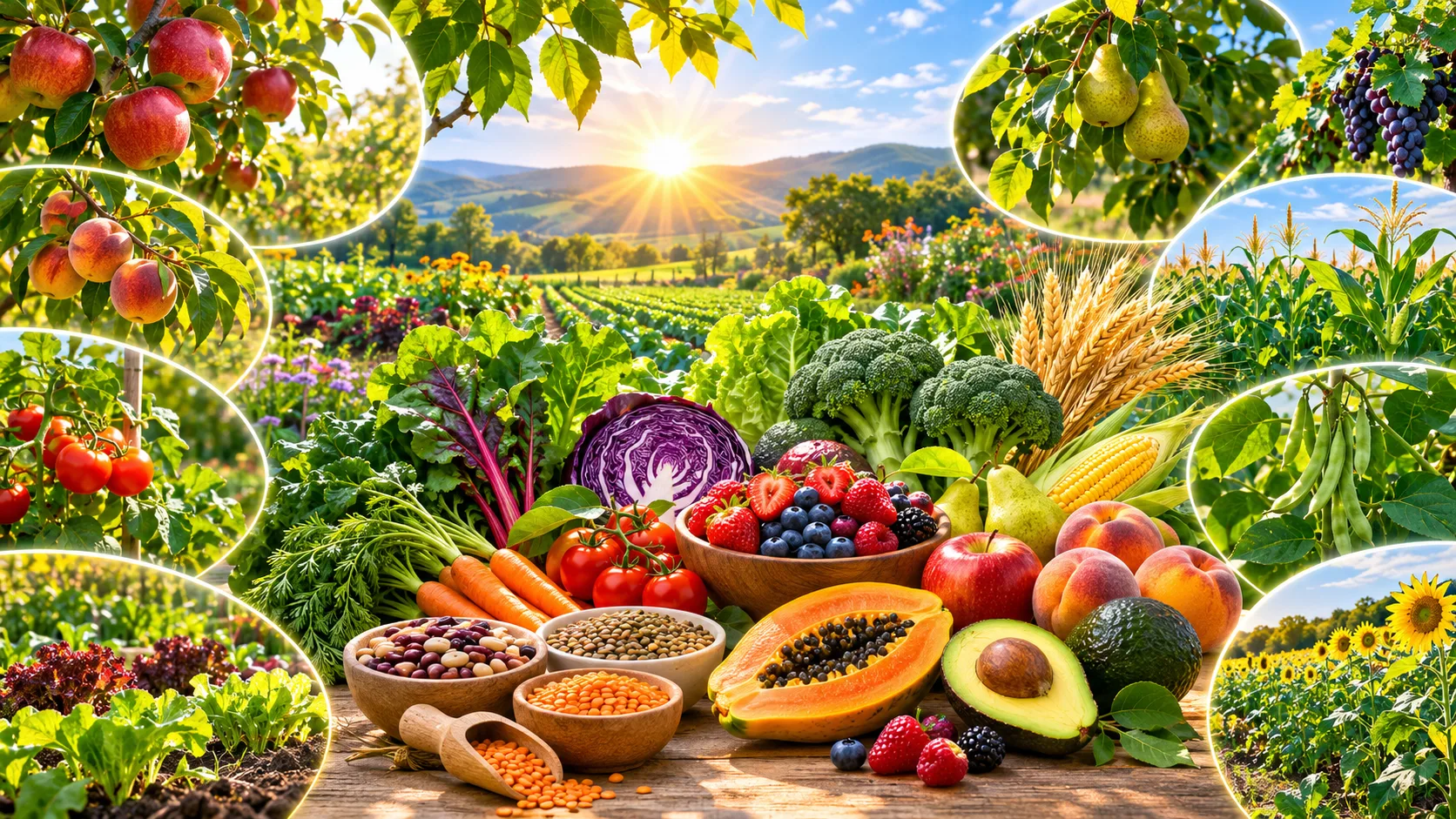
Real food, mostly plants.
How much simpler could healthy eating possibly be?
Yet walk into almost any grocery store today and you’d think people had forgotten what food actually is.
Aisle after aisle of brightly coloured boxes, bags, bottles, and packages filled with products that have been manufactured, processed, sweetened, flavoured, and advertised until they barely resemble anything nature intended us to eat.
And people buy this stuff by the cartload.
Then they complain about the price of groceries, struggle with their weight, and wonder why they don’t feel particularly healthy.
I sometimes wonder whether we’ve forgotten how to feed ourselves.
Because eating real food isn’t complicated. And it doesn’t necessarily have to be expensive, either.
Real Food, Mostly Plants. That’s How I Eat.
I prepare my own meals every day. I don’t need a complicated recipe, a meal delivery service, or somebody telling me what to put on my plate.
I generally build a meal around some protein and vegetables or another carbohydrate source.
For example, I might cook a generous piece of salmon and an entire head of broccoli.
That’s dinner.
No mystery ingredients. No elaborate preparation. Just real food.
I eat plenty of fish. Sometimes I’ll have ground meat, although I’m not much of a steak eater. I enjoy seafood too, including shrimp and lobster, although those aren’t regular items on my shopping list.
Vegetables are an important part of what I eat, and I don’t see any reason to make them an afterthought.
Why put three little pieces of broccoli beside a huge serving of something else when you can make the vegetables a substantial part of the meal?
Real food, mostly plants doesn’t mean you have to stop eating fish, meat, eggs, or dairy.
It means making wholesome plant foods the foundation of your diet instead of filling yourself with manufactured products.
That seems like a pretty sensible way to eat.
When Did Food Become an Industrial Product?
Take a walk through the middle of a supermarket.
Look at the breakfast cereals, the packaged snacks, the cookies, the chips, the frozen dinners, and the endless selection of sweetened drinks.
Then look at the advertising.
Everything is convenient. Everything is delicious. Everything promises to make your life easier.
Some products even pretend to be healthy because they’ve added a few vitamins or removed some fat.
But adding vitamins to a highly processed product doesn’t magically turn it into a wholesome meal.
And replacing one questionable ingredient with another doesn’t necessarily make the result any better.
Why not eat the actual food instead?
Have an apple instead of an artificially flavoured snack.
Eat some nuts instead of another bag of chips.
Cook some vegetables instead of relying on a packaged side dish loaded with ingredients you wouldn’t normally keep in your kitchen.
I’m not suggesting every processed food is harmful. Cooking, freezing, drying, and preserving are all forms of processing.
But there’s a world of difference between frozen broccoli and a packaged product containing a long list of refined ingredients, added sugars, and flavourings.
We ought to understand that difference.
You Don’t Have to Spend a Fortune to Eat Well
This is the part that really gets me.
Everybody complains about how expensive food has become.
And yes, groceries have gotten expensive. I’m certainly not going to pretend otherwise.
But have you looked at what some people are putting into their shopping carts?
Bags of chips. Cases of pop. Prepared meals. Individually packaged snacks. Sweetened breakfast cereals. Expensive convenience products.
That stuff adds up.
Meanwhile, I can sometimes buy two heads of broccoli for five dollars.
Think about how much actual food that represents.
Add some potatoes, carrots, cabbage, beans, lentils, oats, or whatever happens to be on sale, and you can put together some substantial meals without spending a fortune.
Of course, salmon and lobster aren’t exactly bargain-basement foods. I understand that. Not everyone can afford the same things, and food prices vary enormously.
But that’s another reason to learn how to shop.
Buy seasonal produce. Compare prices. Look for specials. Choose less expensive proteins when necessary.
You don’t need expensive superfoods from the other side of the world to eat properly.
A bag of lentils, a head of cabbage, and some potatoes can go a long way.
And when you cook at home, you decide what goes into the food.
That’s worth something too.
Real Food Doesn’t Have to Be Fresh
I tend to think of real food as something you buy in the produce department, at the fish counter, or from the butcher.
But let’s be reasonable.
There’s nothing wrong with frozen vegetables. In fact, they’re convenient, nutritious, and often economical.
And canned foods certainly have their place.
Canned salmon, sardines, beans, tomatoes, and vegetables can make perfectly good ingredients.
A tin doesn’t automatically turn real food into junk.
What matters is what’s inside it.
Plain frozen peas are still peas.
Canned beans are still beans.
And a bag of rolled oats is a very different proposition from a box of sugary breakfast cereal.
So don’t get hung up on the packaging.
Read the ingredients and learn to recognize food.
That’s the important part.
Learn to Cook. It’s Not That Damn Difficult.
Somewhere along the way, cooking became something people think they need special training to do.
We have television competitions, celebrity chefs, endless recipe videos, and entire industries built around preparing food for people who apparently don’t have time to prepare it themselves.
But you don’t need to become a chef.
You need to learn a few simple things.
How to steam vegetables.
How to bake a piece of fish.
How to cook potatoes, rice, or lentils.
How to put together a salad.
How to season food so you actually enjoy eating it.
Start with those basics, and you’ve already got the foundation for dozens of meals.
You can make a perfectly satisfying dinner with a few ingredients and very little fuss.
And the more often you do it, the easier it becomes.
I prepare my meals because I want control over what I’m eating.
I know what’s going into the pan, onto the plate, and eventually into my body.
Why would I want somebody else making all those decisions for me?
Mostly Plants Doesn’t Mean Eating Like a Rabbit
There’s another misconception worth clearing up.
When people hear the words mostly plants, some immediately imagine a lifetime of lettuce and carrot sticks.
Give me a break.
Think about the possibilities.
Broccoli, asparagus, cauliflower, carrots, sweet potatoes, spinach, cabbage, tomatoes, mushrooms, peppers, onions, squash, beans, lentils, peas, nuts, seeds, berries, apples, and dozens of other foods.
You could eat something different every day for weeks.
Roast vegetables with herbs and olive oil. Make a hearty vegetable soup. Add beans to a salad. Cook lentils with tomatoes and onions.
And if you want some fish alongside those vegetables, have some fish.
This isn’t about joining a dietary religion.
It’s about eating a greater variety of wholesome foods and giving plants a prominent place on your plate.
There’s plenty of room for personal preference.
What Does the Research Say About Real Food?
You don’t have to take my word for it.
Research has repeatedly linked diets high in ultra-processed foods with poorer health outcomes, including increased risks of several chronic diseases.
One review of research published in 2026 examined the relationship between ultra-processed food consumption and a range of health problems.
The findings weren’t particularly encouraging for people whose diets depend heavily on manufactured food products.
You can read the research on PubMed.
Now, that doesn’t mean every packaged snack is going to make you sick, or that eating vegetables guarantees perfect health.
But it gives us another reason to pay attention to what we’re eating.
Personally, I don’t need much convincing that a meal of fish and vegetables makes more sense than a plateful of industrially manufactured food.
Your Grocery Cart Is a Reflection of Your Priorities
Here’s something worth thinking about the next time you go shopping.
Look at your grocery cart before you reach the checkout.
How much of what’s in there is actual food?
How much is there because somebody advertised it to you?
How much are you paying for packaging, convenience, and products you could probably do without?
You don’t have to throw everything out and start over.
Just begin making better choices.
Buy an extra vegetable or two.
Try a different fruit.
Replace a packaged snack with something recognizable.
Learn to prepare one more meal yourself.
And gradually make real food the normal thing you eat, rather than something you have occasionally when you’re trying to be healthy.
Eating well shouldn’t be a temporary diet. It should be the way you live.
That’s what I mean when I say Prevention: The Best Health Insurance There Is!. The choices we make every day, including what we put on our plates, are part of how we protect our health.
Keep It Simple. Eat Real Food, Mostly Plants.
I’ve spent a lifetime paying attention to my health, and one thing I’ve learned is that the basics matter.
You can spend a fortune on supplements, health products, special diets, and whatever new miracle is being advertised this week.
But none of that changes the importance of what you eat every day.
Your body needs nourishment.
I’ve written about this before in Could Your Symptoms Be Nutritional?. Your body needs the right raw materials to function properly, and what you feed it every day matters.
And a sensible place to begin is with wholesome foods that provide the nutrients your body uses to maintain and repair itself.
You don’t need to make every meal perfect.
You don’t need to abandon every food you enjoy.
And you certainly don’t need to spend your life counting every calorie or obsessing over the latest nutritional fad.
Start by recognizing the difference between food and products manufactured to look like food.
Prepare more meals yourself.
Make vegetables, fruit, beans, and other plant foods a substantial part of what you eat.
Enjoy some fish, eggs, or other wholesome protein foods if you like them.
And stop spending so much of your grocery money on crap that does little to nourish you.
Real food. Mostly plants. Prepared at home whenever possible.
That’s not a complicated diet.
That’s common sense.
And it’s a pretty good place to start.