Some stories are easy to tell once they are over. This one isn't over.
I'm 74 years old. I'm not overweight. I still exercise. I can still ride a bicycle. I walk every day I can, and I help care for my 104-year-old mother.
If you met me on a good day, you might look at me and think everything was fine.
What you would not see is what has been happening inside my body — or what much of my life has been like since I came to Guelph in 2013.
Before I go any further, I want to make one distinction clear. I cannot prove that mercury caused every symptom I have experienced. I can tell you what happened to me, what I saw, what some of my testing showed, what doctors told me, and what I came to believe after years of living inside this body.
This is that story.
Long Before I Questioned My Teeth
My health problems did not begin with one dramatic event.
I grew up in Windsor, Ontario, across the river from Detroit, when both cities were heavily industrial. I developed severe allergies when I was very young. I remember rows of little skin-prick tests covering my arms, repeated injections, swollen and crusted eyes, and raw, itchy skin behind my knees and around my elbows.
When I was five, our family moved to Riverside Drive on the Detroit River. From about five to fifteen I was what we called a river rat. I loved the water and spent summer after summer swimming in it.
We even lined up for typhoid shots because, as children, we were told that would help make swimming in the river safe.
Looking back, I have no way of knowing what role, if any, those early environmental exposures or childhood treatments played in what came later.
They are simply part of my history.
By my early twenties, I had another addition to that history: as many as 16 mercury amalgam fillings.
The Fillings I Never Questioned
Like most people, I didn't think much about what was being put into my teeth. A dentist drilled a cavity, filled it, and I went on with my life.
I moved to Toronto, worked in the music business, exercised constantly and considered myself a health nut.
My diet also contained a tremendous amount of seafood. For decades I ate fish regularly and consumed a lot of tuna. I thought I was making a healthy choice.
Years later my old teeth and dental work began breaking down.
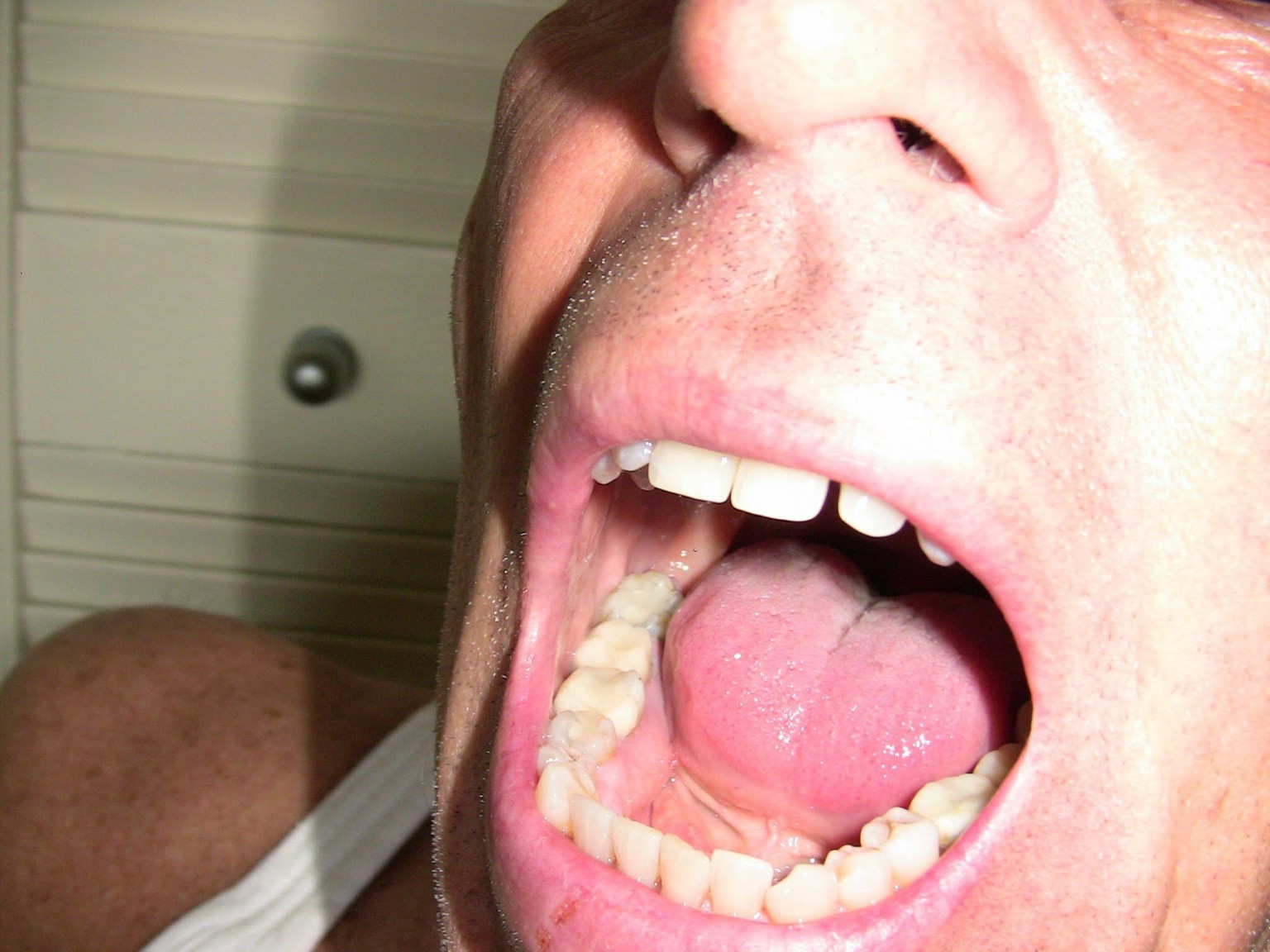
I had developed a taste for black licorice, and pieces of weakened teeth started chipping away. Eventually I could look into my own mouth and see what appeared to me to be more filling than tooth.

The Day Something Changed
There was one particular period in my mid-fifties that I have never forgotten.
As one damaged tooth deteriorated and the filling became increasingly exposed, I experienced something that frightened me badly.
One day I felt a warm, liquid sensation that seemed to travel from my jaw down through the middle of my body.
Around that same period, a swelling developed high on the left side of my groin. At its largest it was approximately the size of a golf ball.
This is where I have to separate experience from proof.
I have always believed that what happened in my mouth and the sudden swelling were connected. I have wondered whether material from that damaged filling somehow entered my body.
I cannot medically prove that sequence, and I do not present it here as established fact.
I include it because it was the event that completely changed the way I looked at my dental history.
Early on, I had blood testing and hair analysis that showed elevated mercury on some tests. Doctors did not consider the levels high enough to explain the severity or variety of what I was experiencing.
That left me with a question that would dominate years of my life.
What was happening to me — and why did my own body seem to be telling me something that nobody else could explain?
When My Life Began to Disappear
Eventually I reached the point where functioning normally became extraordinarily difficult.
I was living in a one-bedroom apartment in Toronto. There were days when getting off the couch felt almost impossible. Walking to the corner and back could be an accomplishment.
My thinking deteriorated so badly that at times I wondered whether I was developing Alzheimer's or some other form of cognitive decline.
My work life slipped away.
My social life followed it.
In 2013 I came to Guelph to stay with my mother. I expected it to be temporary.
It wasn't.
I have lived with her since October 2013.
Getting the Amalgam Out
Eventually I found a dentist experienced in removing amalgam fillings, and I began replacing some of the old dental work with composite material.
The photographs from those procedures stayed with me.
Masks. Protective clothing. Respiratory protection. Suction and equipment designed to control material released while the old fillings were being removed.
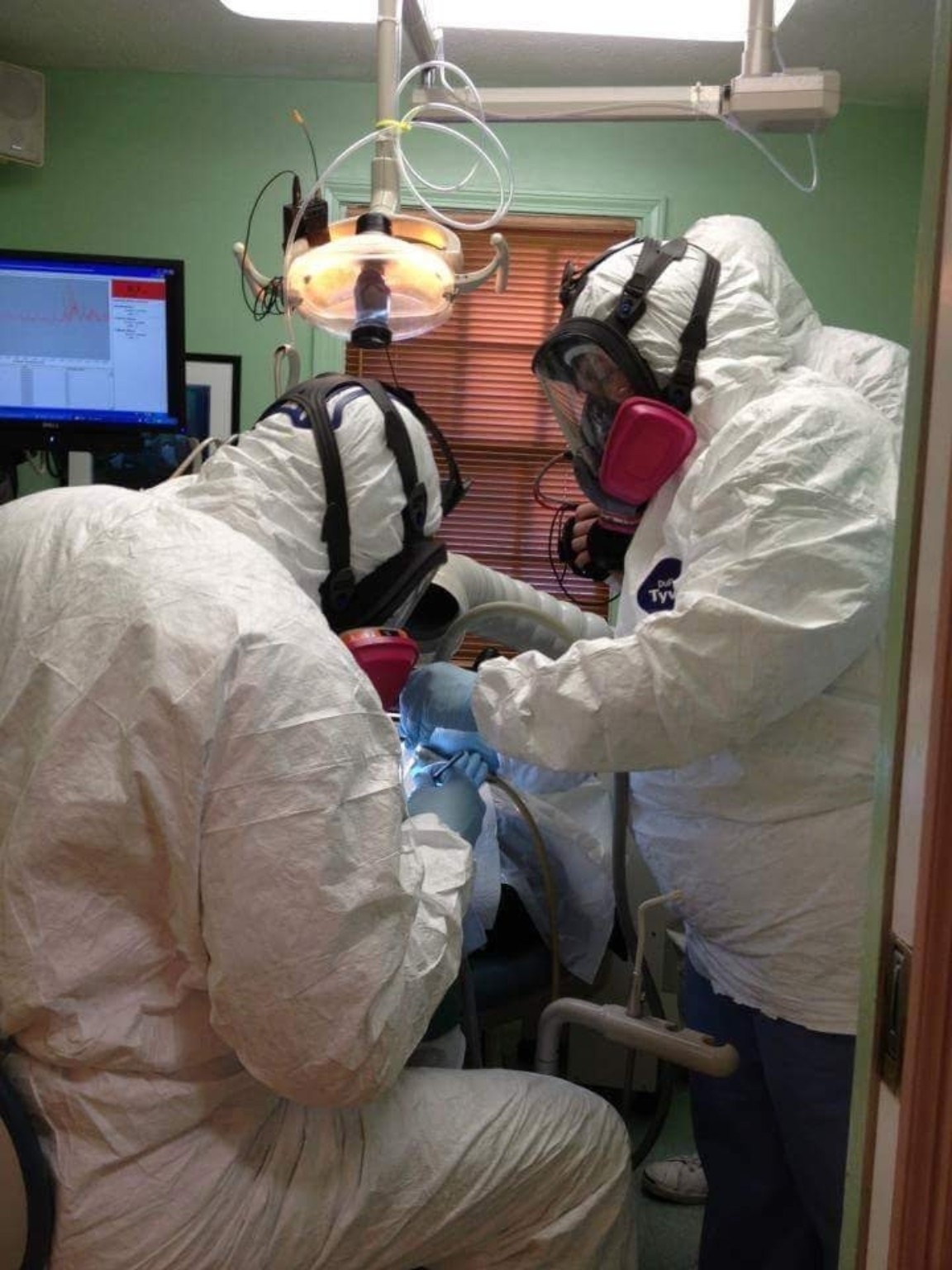
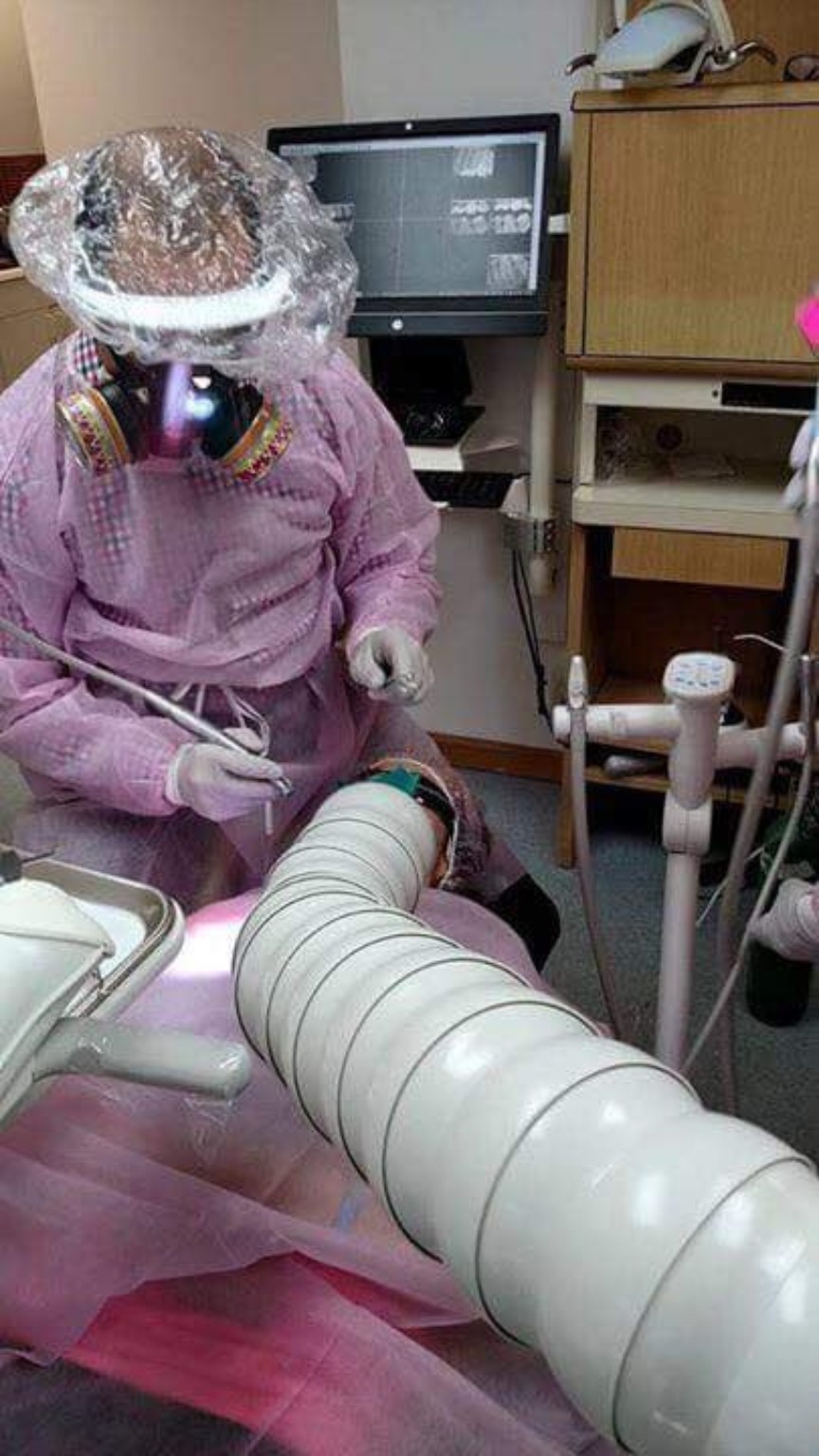
Those precautions do not prove that amalgam caused my illness.
But seeing the care involved during removal certainly reinforced my determination to learn everything I could about the material that had been in my mouth for decades.
Then My Body Started Showing It
Some parts of this experience were impossible to hide.
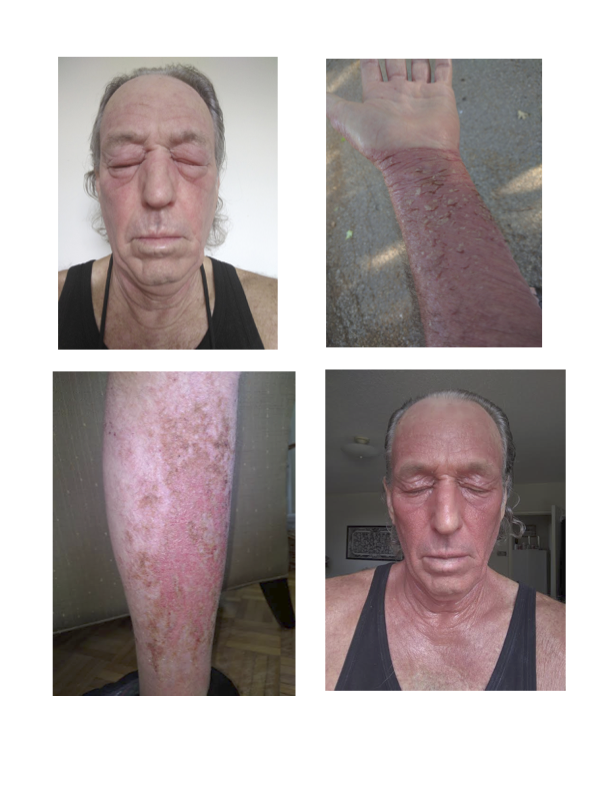
My face and eyes became badly swollen. My skin became red, inflamed, burning and intensely uncomfortable.
My arms and legs erupted.
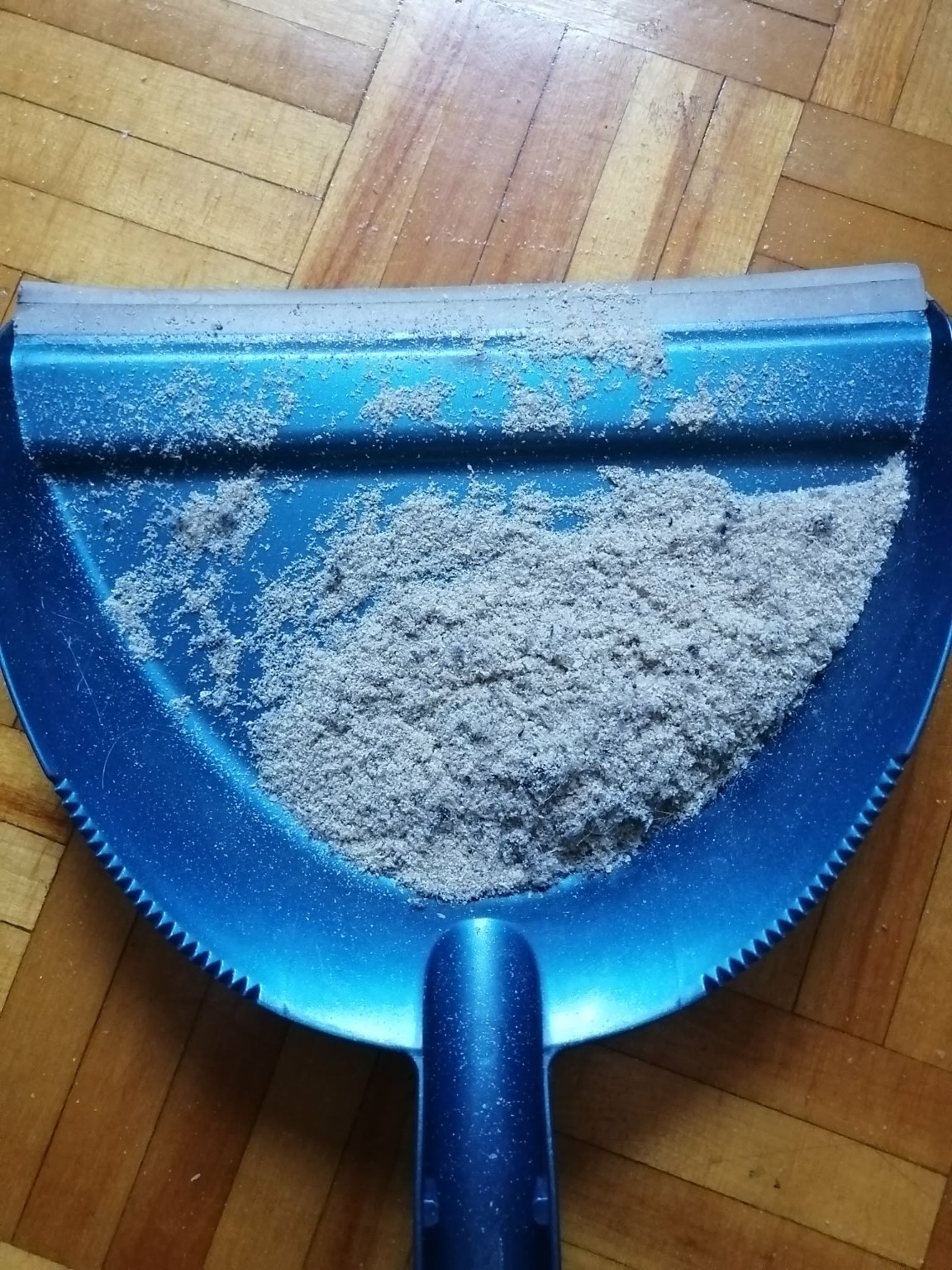
At times my skin peeled and shed so heavily that I would literally sweep it from the floor.
The Part Nobody Could See
The photographs show the dramatic part.
In some ways, the invisible part has been harder.
My symptoms have come and gone and changed over the years: exhaustion, tingling and burning sensations, disrupted sleep, digestive problems, neuropathy-like sensations in my feet and lower body, poor appetite and a greatly reduced sense of taste.
Some days have been much better than others.
I have experimented with fasting, nutritional supplements, naturopathic care, dietary changes, exercise and other approaches in an effort to understand and improve what was happening to me.
More recently, red-light treatment has helped me considerably with some of the skin problems.
Some symptoms have improved.
Others remain.
But the greatest loss wasn't a rash.
It was my life with other people.
I used to be social. I worked in music. I had friends, dinners, telephone calls, birthdays and laughter. Over time I became a hermit.
When you spend years feeling miserable, you eventually discover that nobody wants to hear about it every time they see you.
I didn't want to talk about it either.
I've been invited on trips and turned them down. I've withdrawn from friends. Even members of my own family could look at me and have no idea what I was experiencing because, from the outside, I could still appear healthy.
At 74 I still exercise. I still walk. I can still ride a bicycle. I still take care of my mother.
Medical evidence:
A PubMed-indexed case report on chronic inorganic mercury intoxication described severe depression that included “lack of pleasure” and social withdrawal, along with insomnia and memory loss. That wording caught my attention because it closely reflected part of my own experience.
READ THE PUBMED STUDY →
Depression, Insomnia, and Memory Loss in a Patient With Chronic Intoxication by Inorganic Mercury
READ THE PUBMED STUDY →
Depression, Insomnia, and Memory Loss in a Patient With Chronic Intoxication by Inorganic Mercury
That is one of the strangest contradictions of this entire experience: I can look healthy while feeling anything but healthy.
“Mad as a Hatter” Wasn't Just a Saying
One piece of history stayed with me throughout my research.
The expression “mad as a hatter” became associated with hat makers who were chronically exposed to mercury compounds once used in felt-hat production.
That occupational exposure became associated with neurological problems, tremors and changes in behaviour and personality.
I am not suggesting that their exposure and mine were the same.
They weren't.
But learning that history made one thing very clear to me: mercury's ability to affect the human nervous system was known long before I ever started asking questions about my own health.
Searching for Answers
Over the years I have had blood work, hair analysis, extensive naturopathic evaluations and even DNA analysis while trying to understand what my body was doing.
I have talked to doctors, dentists and other health practitioners.
Again and again, I was told that my dental history could not explain what was happening to me.
I never became convinced they were right.
Some of the things I tried along the way →
Over many years I experimented with fasting, dietary changes, supplements, nutritional products, naturopathic approaches, exercise and other methods in an attempt to improve how I felt.
Some helped more than others.
I mention these as part of my personal history — not as treatment recommendations for anyone else.
What I Believe Today
After living through all of this, I believe mercury exposure — including the amalgam fillings that were in my mouth for decades — played an important role in what happened to my health.
That is my conclusion from my own experience.
It is not the same thing as scientific proof.
And I think making that distinction makes my story stronger rather than weaker.
Dental amalgam is not simply “silver.” It contains mercury along with other metals.
I am also not telling anyone with existing dental work to rush out tomorrow and have fillings removed. Removal itself is something that deserves careful consideration and professional guidance.
What I am saying is much simpler.
Know what is being put into your body. Ask questions. Understand your choices. And never stop paying attention to what your own body is telling you.
Why I Had to Tell This Story
I don't know whether I will ever have every answer.
What I do know is that this experience changed the course of my life.
It changed how I eat. It changed how I think about medicine and dentistry. It changed how I think about prevention. And it changed how seriously I take personal responsibility for my own health.
It is also one of the reasons behind Insure Your Health Yourself.
If telling this story causes one person to ask better questions, pay closer attention to their health, or make a more informed decision before something goes wrong, then putting these photographs and these memories out into the world will have been worth it.
Your health is the one thing you cannot replace.
— Ivan Jeffrey Thrasher
A note about this page:
This is my personal account of what happened to me. It is not intended as medical advice, a diagnosis, or proof that mercury caused every symptom described here.
Readers who want to investigate dental amalgam from different perspectives can start here:
FDA — Dental Amalgam Fillings | Consumers for Dental Choice
Readers who want to investigate dental amalgam from different perspectives can start here:
FDA — Dental Amalgam Fillings | Consumers for Dental Choice