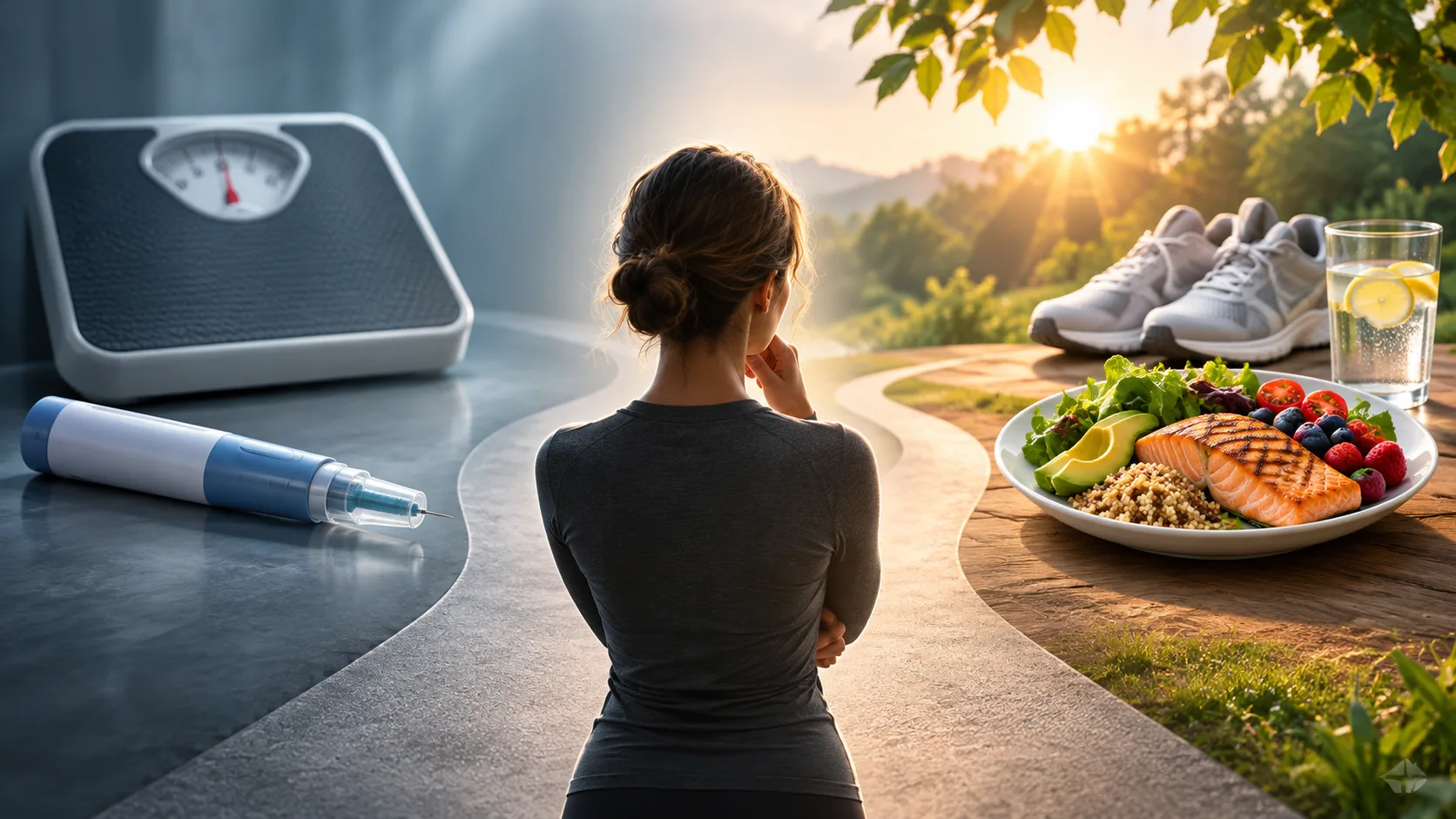
GLP-1 side effects. That’s something I wish people would think about before jumping on the latest weight-loss bandwagon. Every time I turn on CNN, somebody seems to be selling another pharmaceutical miracle. Ozempic. Wegovy. Zepbound. Injections that promise to make the pounds disappear without all that inconvenient business of changing the way you live. And the drug commercials just keep coming, one after another.
I keep seeing the ads, and I keep asking the same question: What the hell is the catch?
And while we’re talking about these drugs, there’s something else that really pisses me off.
We got cigarette advertising off American television decades ago because of the damage smoking causes. Yet today, I can barely watch CNN without being bombarded by another goddamn pharmaceutical commercial. One drug after another, all promising to make your life better.
And who’s paying for all that advertising? The pharmaceutical companies, of course. They’re pouring enormous amounts of money into television advertising to promote their products. Am I the only one who sees a problem with that?
When a news network makes money selling pharmaceutical advertising, I think it’s perfectly reasonable to question how much influence that money might have. I don’t know how much it influences CNN’s reporting, but I sure as hell think it’s a question worth asking.
Since when did selling prescription drugs become such a normal part of watching the evening news?
I’m not a doctor, and I haven’t tried these drugs. I have no intention of trying them. My view of pharmaceuticals is no secret. But I don’t need to take a drug myself to read what its own clinical trials say about the risks. And some of those numbers deserve a lot more attention than a glossy television commercial gives them.
GLP-1 Side Effects: What Are We Being Sold?
GLP-1 is the name of a hormone your body already makes. It helps regulate appetite and blood sugar. Drugs such as semaglutide imitate part of that signal. Tirzepatide acts on GLP-1 and another hormone pathway called GIP. In plain English, these medicines can make people feel fuller and eat less.
So yes, the drugs can produce weight loss. That’s not my argument. My question is whether the number on the bathroom scale tells us nearly enough about what else is happening inside the body.
Just because something makes you lose weight doesn’t automatically make it a good idea.
Let’s Look at the GLP-1 Side Effects Nobody Can Brush Aside
Forget the advertising for a minute. Let’s look at the actual GLP-1 side effects reported in the published prescribing information for Wegovy, the weight-loss version of semaglutide. In adult trials of the 2.4 mg injection, the figures looked like this:
| Reported problem | Wegovy | Placebo |
|---|---|---|
| Nausea | 44% | 16% |
| Diarrhea | 30% | 16% |
| Vomiting | 24% | 6% |
| Constipation | 24% | 11% |
| Abdominal pain | 20% | 10% |
Those aren’t figures invented by somebody who dislikes drugs. They’re reported in the drug’s prescribing information. In these trials, 6.8% of Wegovy users stopped treatment because of adverse reactions, compared with 3.2% receiving placebo.
Some people will say nausea is a small price to pay to lose weight. Fine. But shouldn’t we at least be talking openly about that price?
And Then There Are the More Serious Risks
The list of potential GLP-1 side effects doesn’t end with nausea and an upset stomach. The prescribing information also warns about pancreatitis, gallbladder problems, serious digestive reactions and kidney injury linked to dehydration. Those are potential risks, not things that happen to everyone. But they’re serious enough to appear in official warnings.
Wegovy’s adult injection trials reported gallstones in 1.6% of treated patients, compared with 0.7% on placebo, and gallbladder inflammation in 0.6%, compared with 0.2%. The percentages aren’t enormous. The point is that the risks are real, measurable and worth understanding before anyone calls this an easy solution.
And because these medications slow stomach emptying, the digestive effects aren’t some mysterious coincidence. They’re connected to how the drugs work.
Are You Losing Fat—or Losing Muscle Too?
This one really got my attention.
In a 68-week semaglutide study looking at body composition, participants lost an average of 9.7% of their starting lean body mass. A separate 72-week tirzepatide study found a 10.9% reduction in lean mass. In that tirzepatide analysis, roughly a quarter of the total weight lost was lean tissue.
Now, lean tissue isn’t identical to muscle. It also includes water and other non-fat tissue. And losing weight by other methods can involve lean-mass loss too. Those distinctions matter.
But I still have a question. When you’re celebrating the pounds coming off, how much attention are you paying to the strength and muscle you may be losing along the way?
At my age, preserving strength matters a hell of a lot more to me than chasing a lower number on a scale. I want to be able to get up, move, walk, carry things and keep living my life. That’s what health looks like to me.
What Happens When You Stop Taking the Drug?
Here’s another number that stopped me in my tracks.
Researchers followed 327 people in an extension of a semaglutide study. After the medication and the trial’s lifestyle program ended, participants regained, on average, about two-thirds of the weight they had lost over the following year.
Not everyone regained the same amount, and the study doesn’t prove that every person who stops the drug will wind up back where they started. But it makes me wonder what kind of long-term solution we’re talking about if maintaining the result may depend on staying on the medication.
Is that fixing the problem? Or is that managing a result as long as the drug remains part of the picture?
What About Long-Term GLP-1 Side Effects?
People have been using some GLP-1 medicines for years, so we’re not dealing with drugs that appeared yesterday. But that doesn’t mean we already have complete answers about decades of use at today’s weight-loss doses, especially when it comes to strength, nutrition and quality of life as people age.
I can’t tell you what the twenty-year results will be. Nobody can. And I’m not going to invent a horror story just because I don’t like pharmaceuticals.
But I absolutely think the unanswered questions about long-term GLP-1 side effects deserve daylight, particularly while the marketing makes the whole thing look so simple.
Whatever Happened to Giving Your Body a Chance?
Here’s where I come at this from a completely different direction.
I believe we’ve become far too quick to look outside ourselves for an answer. Another pill. Another injection. Another shortcut. Meanwhile, the boring things that support a healthy body—real food, regular movement, decent sleep, building strength—don’t come with a multimillion-dollar advertising campaign.
And no, I’m not saying everybody can solve every weight problem by simply deciding to eat a salad. Bodies are complicated. But I am saying that the everyday choices we make deserve to be taken seriously, not treated as an afterthought.
Cook more of your own food. Eat recognizable ingredients. Move every day. Do something that keeps your muscles working. Get outside. Build habits that you can actually live with.
That’s not glamorous. Nobody gets a television commercial out of telling you to walk and eat broccoli. But it’s the direction I believe in.
Before You Reach for That Injection, Ask More Questions
I don’t dispute that GLP-1 drugs can make people lose weight. I question the rush to celebrate that result without giving the risks, the lean-mass loss, the possible long-term commitment and the unanswered questions equal attention.
If you’re considering one of these drugs, don’t let an advertisement do your thinking for you. Look at the GLP-1 side effects. Look at the figures. Ask what you’re really gaining, what you might be losing and what happens when the injections stop.
My preference hasn’t changed: I’d rather work with my body than gamble on another pharmaceutical shortcut.
Your health is yours. Treat it like it matters.
Sources behind the figures
Wegovy prescribing information — adverse reactions and warnings.
STEP 1 body-composition analysis — semaglutide and lean body mass.
SURMOUNT-1 body-composition analysis — tirzepatide and lean body mass.
STEP 1 extension study — weight regain after stopping semaglutide.