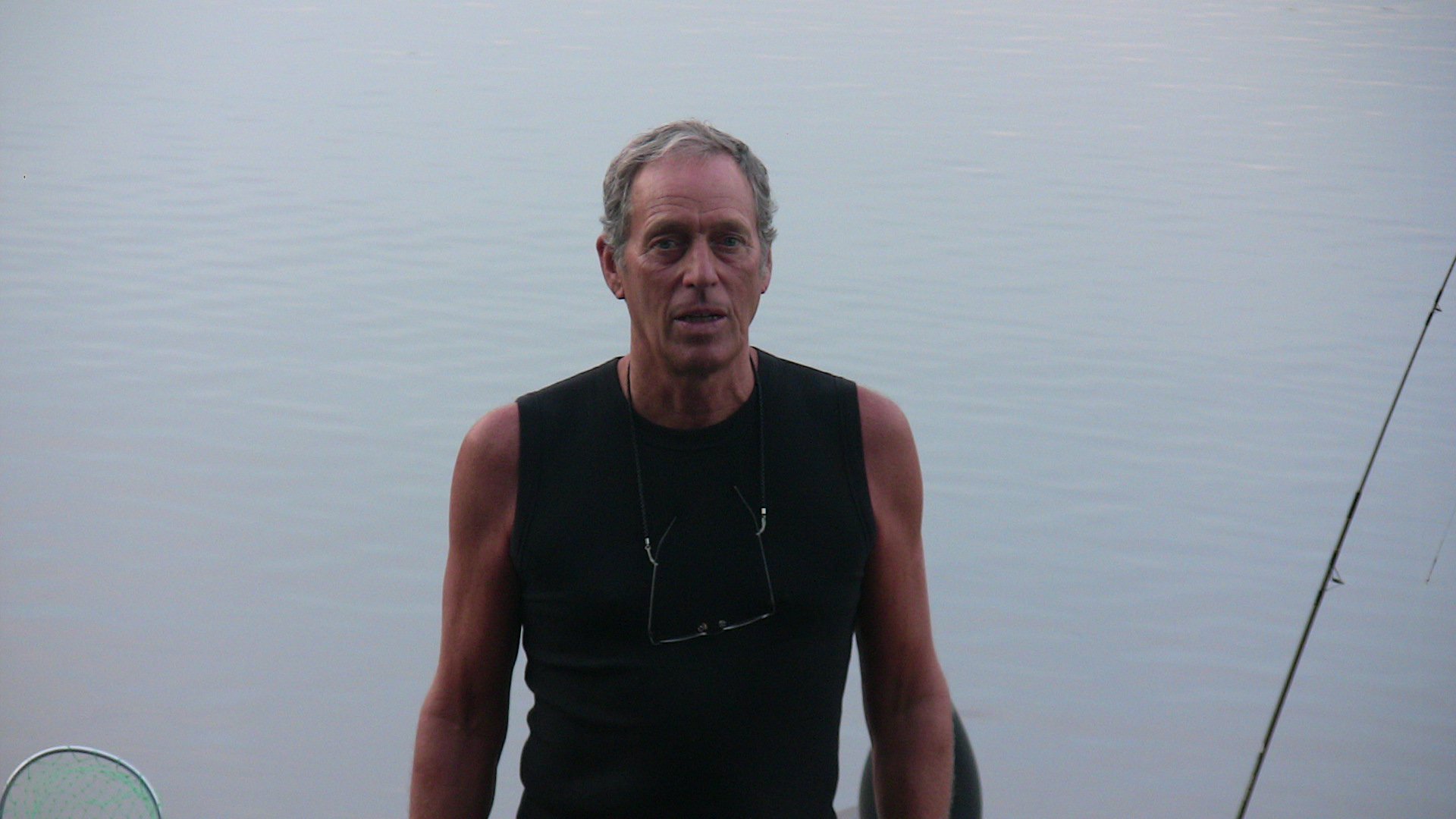
At 74, I have learned something that seems increasingly obvious to me: no one will ever pay as much attention to my health as I will.
Your health is your responsibility, and the sooner you accept that, the more influence you can have over what happens next.
A doctor may see me for a few minutes. A family member may offer advice. I can read books, studies and opinions from people I respect.
But I am the one living in this body every hour of every day.
I am the one who decides whether to move, what to eat, whether to get enough sleep, whether to pay attention when something changes and whether to act before a small problem becomes a larger one.
That is what taking responsibility for your health means to me.
It does not mean refusing medical help or pretending I know everything. It means understanding that my health is ultimately my responsibility.
Essentially, I have to Insure My Health Myself.
Take Charge of Your Health Before Something Goes Wrong
One of the biggest mistakes we can make is waiting until something is wrong before we start paying serious attention to our health.
I would much rather work on my health while I still have it.
I have exercised since I was young. Over the years that has included yoga, running, sports, walking and, these days, plenty of short bursts of movement throughout the day.
I do those things because I want to remain active and independent for as long as I possibly can.
Doctors and healthcare providers can certainly play an important role, but they usually see only a snapshot of your life. You live with the consequences of your habits every day.
That is why I believe taking charge of your health has to happen long before you are sitting in a waiting room.
-
Pay Attention to Your Body
You are usually the first person to notice when something feels different. Energy changes. Sleep changes. Digestion changes. Strength changes. Something starts hurting that did not hurt before.I have learned to pay attention to those changes instead of automatically dismissing them. Sometimes they mean very little. Sometimes they are telling you something worth investigating.
-
Think About Prevention Before Treatment
I am far more interested in preventing problems than waiting until they become serious enough to require treatment.Regular movement, good nutrition, adequate sleep, maintaining strength and managing stress are not guarantees against illness. Nothing is.
But they are things I can actually do something about today.
-
Learn How Your Own Body Responds
I read. I experiment. I observe. And I pay attention to what happens afterward.That has taught me something important: one size does not fit everyone.
A diet that makes one person feel terrific may not work as well for somebody else. An exercise program that suits a 30-year-old athlete may make very little sense for an older person just trying to remain strong and mobile.
The more attention you pay, the better you become at understanding your own body.
How I Take Responsibility for My Health
I do not have one complicated master plan.
Most of what I do comes down to ordinary things repeated consistently.
-
I Move Every Day
Movement has been part of my life for decades. These days I walk, exercise and often put on music and move for a few minutes simply because it feels good.I do not believe exercise has to happen in a gym or last an hour to count. What matters to me is that I keep moving.
-
I Build Habits Instead of Waiting for Motivation
Motivation comes and goes. Habits are much more dependable.Whether it is food, movement, sleep or some other part of my routine, I try to make the healthy choice the normal choice rather than something I do occasionally when I feel inspired.
That is part of what I mean when I talk about resetting your physiology. Small things repeated consistently can add up.
-
I Monitor and Adjust
What worked for me at 40 may not be exactly what I need at 74.I adjust.
If something makes me feel better, stronger or more energetic, I pay attention. If something clearly does not agree with me, I pay attention to that too.
Growing older does not mean giving up control. If anything, I think it means becoming even more observant.
-
I Ask Questions
If somebody recommends something for my health, I want to understand why.That includes doctors.
I am not afraid to ask what a treatment is supposed to accomplish, what the alternatives are, what the risks may be or whether there is anything I can do myself that might improve the situation.
That is not rejecting professional advice. It is participating in my own care.
-
I Remain Willing to Change My Mind
Taking responsibility for yourself does not mean deciding that you already know everything.I have changed my mind many times over the years. New information comes along. My body changes. Something I once believed no longer makes sense to me.
I think being willing to reconsider your own assumptions is part of taking responsibility too.
Your Health Is Not Somebody Else’s Project
I think this is where people sometimes get confused about self-reliance.
Taking responsibility for your health does not mean you have to do everything alone.
You can have a good doctor. You can work with a dentist, physiotherapist, nutrition professional or anybody else whose knowledge you value.
You can listen to your family. You can ask for another opinion. You can seek help when you need it.
But none of those people lives inside your body.
They can advise you.
You still have to live the life.
Health Is Something You Work On While You Still Have It
At 74, independence matters enormously to me.
I want to keep walking. I want to keep thinking clearly. I want to remain interested in life. I want to keep doing things for myself for as long as I possibly can.
I know there are no guarantees.
You can exercise, eat well and pay attention to yourself and still become ill. Genetics matter. Accidents happen. Disease happens.
But I do not see uncertainty as a reason to do nothing.
I see it as a reason to do what I can while I can.
Every walk matters.
Every nutritious meal matters.
Every night of good sleep matters.
Every decision to move instead of sit matters.
Every time you notice something changing in your body and pay attention to it, you are participating in your own health.
My Bottom Line
No doctor, hospital, government program, health website or pharmaceutical company will ever care about my health in exactly the same way I do.
They cannot.
They do not wake up in my body every morning.
I do.
That is why I believe the most important person in my healthcare team has to be me.
Get informed. Ask questions. Move your body. Pay attention. Build habits that support the life you want to keep living.
And do not wait until something breaks before deciding your health deserves your attention.
Take charge of your health while you still have the opportunity to influence it.
To your health—and Insure Your Health Yourself!