Some stories are easy to tell once they are over. This one isn't over.
I'm 74 years old. I still exercise, walk, ride a bicycle, and help look after my 104-year-old mother. If you met me on a good day, you might think everything was fine.
What you wouldn't see is how much of my life has disappeared over the years. I used to be an outgoing, social person, a working musician and band manager with a full calendar. I became a hermit. I didn't want to see people, talk on the telephone, or explain how miserable I felt. I hardly recognized myself.
I believe mercury exposure, particularly from the amalgam fillings in my teeth, played a major role in what happened to me. I cannot prove it caused every symptom. But I lived through this, and it has left a unique mark on my life. This is my story.
Long Before I Questioned My Teeth
I grew up in Windsor, Ontario, across the river from Detroit, when both cities were heavily industrial. I had severe allergies as a small child. I remember the rows of skin-prick tests on my arms, the injections, swollen and crusted eyes, and raw, itchy skin behind my knees and around my elbows.
When our family moved to Riverside Drive, I became what we called a river rat. For years I spent my summers swimming in the Detroit River. We children even lined up for typhoid shots because we were told they would help make swimming safer. I have no way of knowing whether those early exposures had anything to do with what came later, but they are part of my history.
By my early twenties I had accumulated as many as 16 mercury amalgam fillings. It was the drill-and-fill era of dentistry. I didn't question what was going into my mouth. You trusted your dentist and got on with your life.
The Mid-1980s: Doing It All Over Again
In roughly the mid-1980s, while living in Toronto, I consulted a well-known Japanese dentist. On his advice, I had those old amalgam fillings removed and replaced with new mercury amalgam fillings. All of them. No special precautions were taken during removal, as far as I remember.
Looking back, that decision still astonishes me. The old fillings were drilled out and more of the same material went back in. At the time I had no reason to think I was doing anything but looking after my teeth.
I was working in music, staying active, exercising, and eating what I thought was a healthy diet. I ate a tremendous amount of seafood, including tuna, for many years. I now wonder about the total picture of mercury exposure in my life, although I cannot separate out what came from fish, dentistry, or anything else.
When My Teeth Began to Fall Apart

By about 2007, when I was 55, my teeth were chipping and breaking. I had developed a taste for black licorice, and pieces of weakened tooth would come away. I could look into my mouth and see what seemed like more filling than tooth.
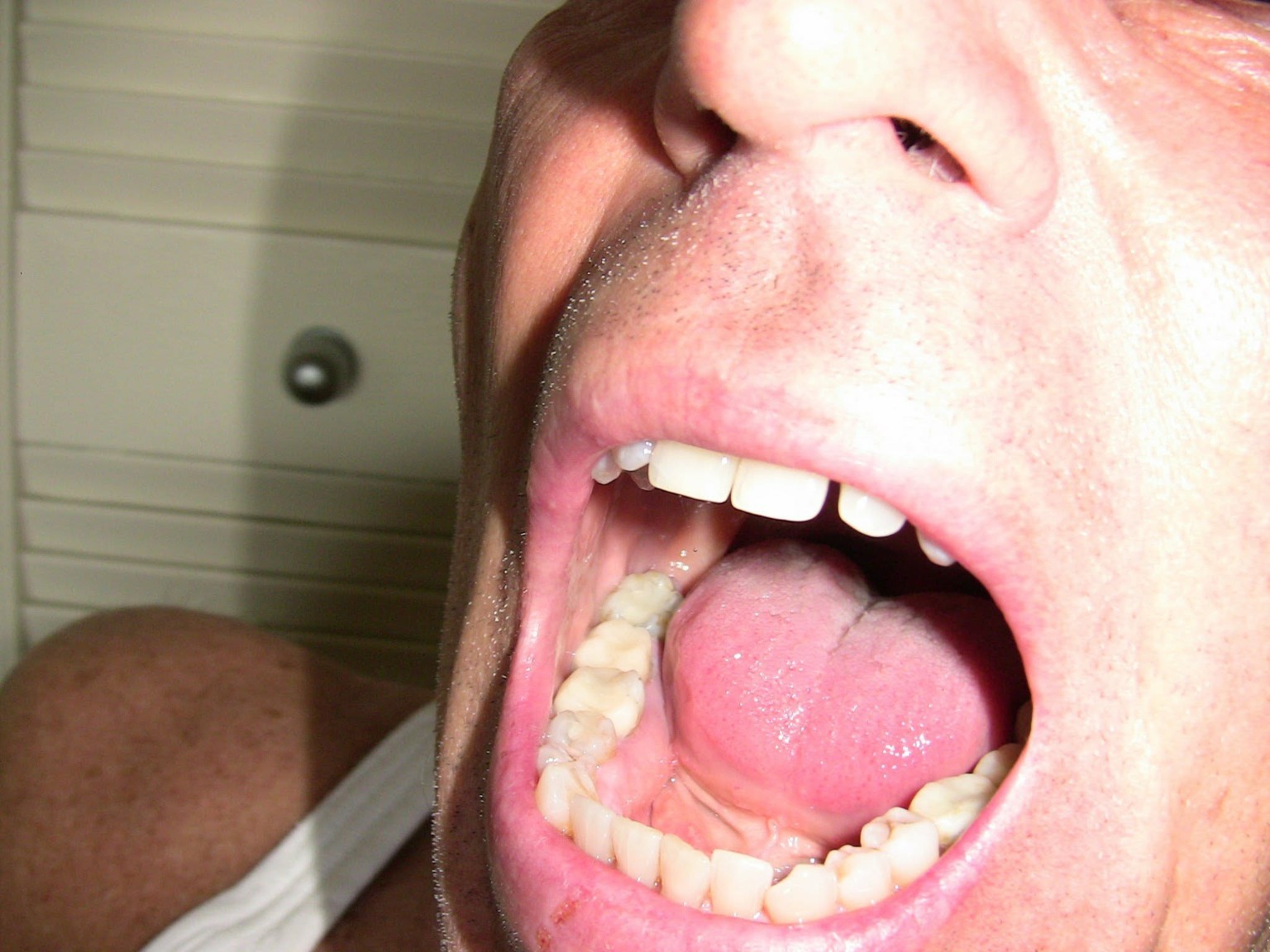
Then something happened that frightened the life out of me. One day I felt what seemed like a warm, molten liquid sensation moving from my right jaw through the middle of my body toward my left upper thigh and groin. Around that time a swelling appeared there, eventually about the size of a golf ball. Over the years it became much smaller.
I believed the sensation, the swelling, and what was happening in my mouth were connected. I still wonder about it. But I cannot establish that connection medically, and a swelling like that can have many causes. I tell you about it because it was a turning point in the way I understood my own health.
My Body and My Mind Were Changing
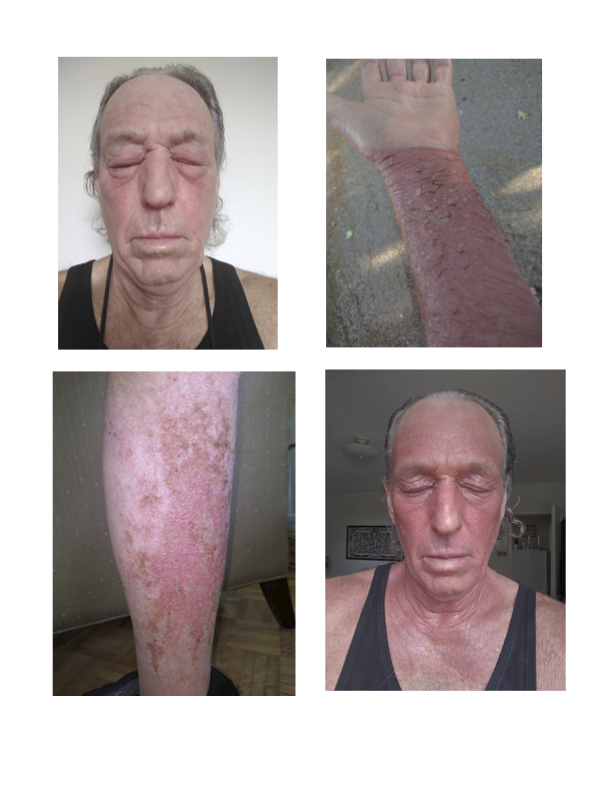
The list of symptoms is long, and some have come and gone without warning. There have been terrible rashes, whole-body itching, tingling from head to toe, burning sensations, neuropathy-like problems, disrupted sleep, nausea, poor appetite, and changes in my senses of smell, taste and touch. At times my skin was red, swollen, inflamed and so uncomfortable that I hardly knew what to do with myself.
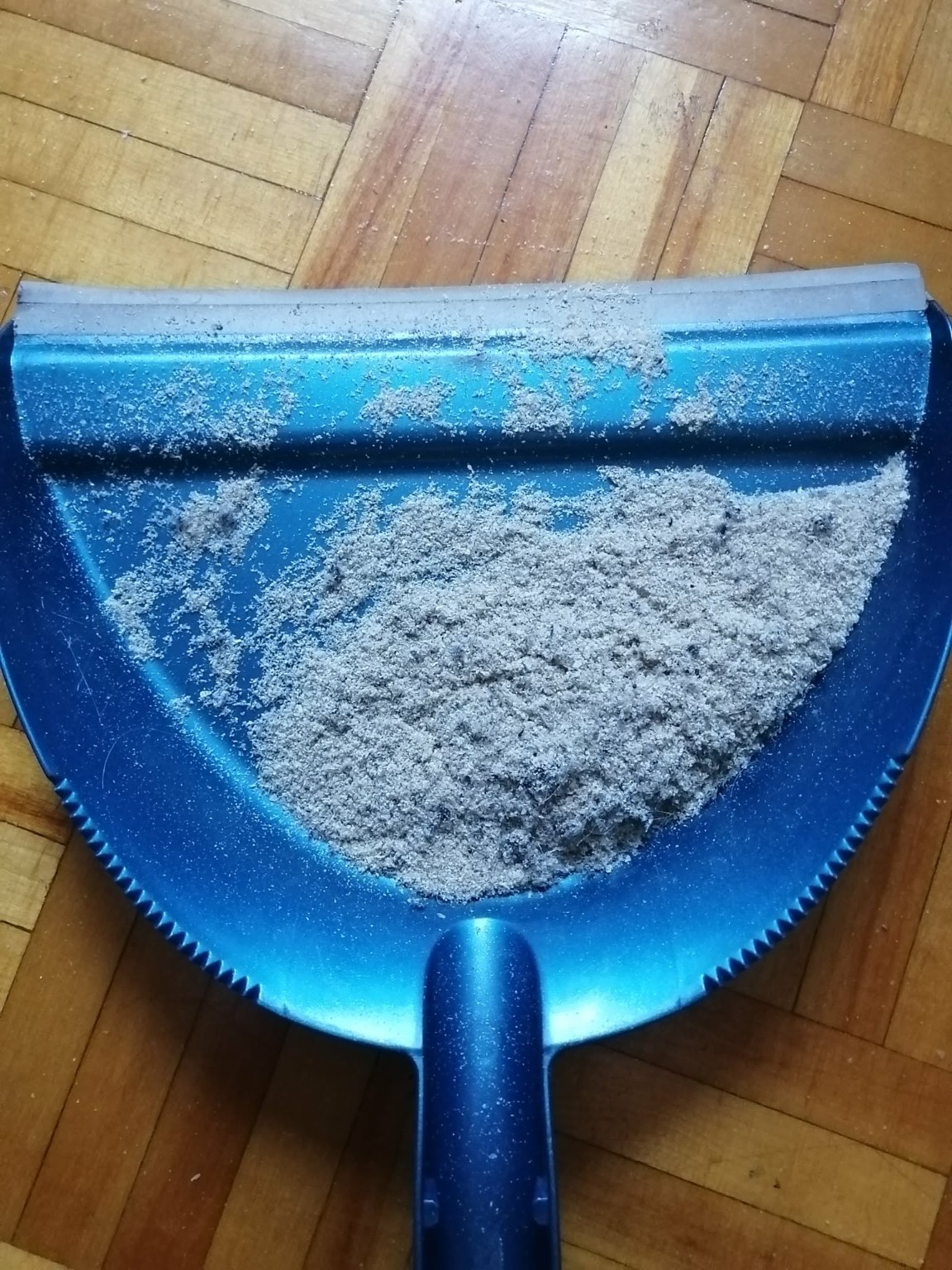
My face and eyes swelled. My arms and legs erupted. During some of the worst periods my skin peeled so heavily that I literally swept it off the floor.
But the part you couldn't photograph was, in some ways, worse. I had periods of such exhaustion that lifting my head from the pillow felt like work. My thinking became confused. Formulating a thought, holding on to it, and getting the words out could be difficult. I worried about what was happening to my memory and whether I was developing something like Alzheimer's.
And there were emotional changes. Irritability. Instability. A feeling that my personality was no longer my own. I could have a relatively good day and then be knocked flat again. I began to feel that I couldn't count on my body or my mind.
The worst thing wasn't always the pain or the rash. It was feeling as though I was losing the person I had been.
How I Became a Hermit
Before all this, I was gregarious. I was involved in music, bands, friends, dinners, conversations, people. I liked being around others. I had a life that included other people almost every day.
Gradually, I withdrew. I stopped wanting to answer the phone. I turned down invitations. I avoided social situations because I didn't know how I was going to feel, and I couldn't bear the thought of explaining it all again. Some days I didn't have the energy for even a short visit.
When people saw me on a good day, I could look perfectly healthy. That made it harder to explain the bad days. Nobody could see the tingling, the mental fog, the exhaustion or the constant discomfort. After years of it, I didn't want to talk about it anymore. And I knew other people didn't want every conversation to be about how sick I felt.
I was living in a one-bedroom apartment in Toronto. There were times when walking to the corner and back was an accomplishment. My working life suffered. My social life all but disappeared. The outgoing musician and band manager had become somebody who wanted to be left alone.
In October 2013, I came to Guelph to stay with my mother. I thought it might be temporary. It wasn't. I have been here ever since.
This is what I most want people to understand. Whatever someone else concludes about the cause, the damage to my life was real. I didn't choose to become a hermit. I didn't decide I was finished with friends, music, work and all the ordinary pleasures of being with people. I felt driven out of that life by how miserable I was.
Getting the Amalgam Fillings Out — Finally
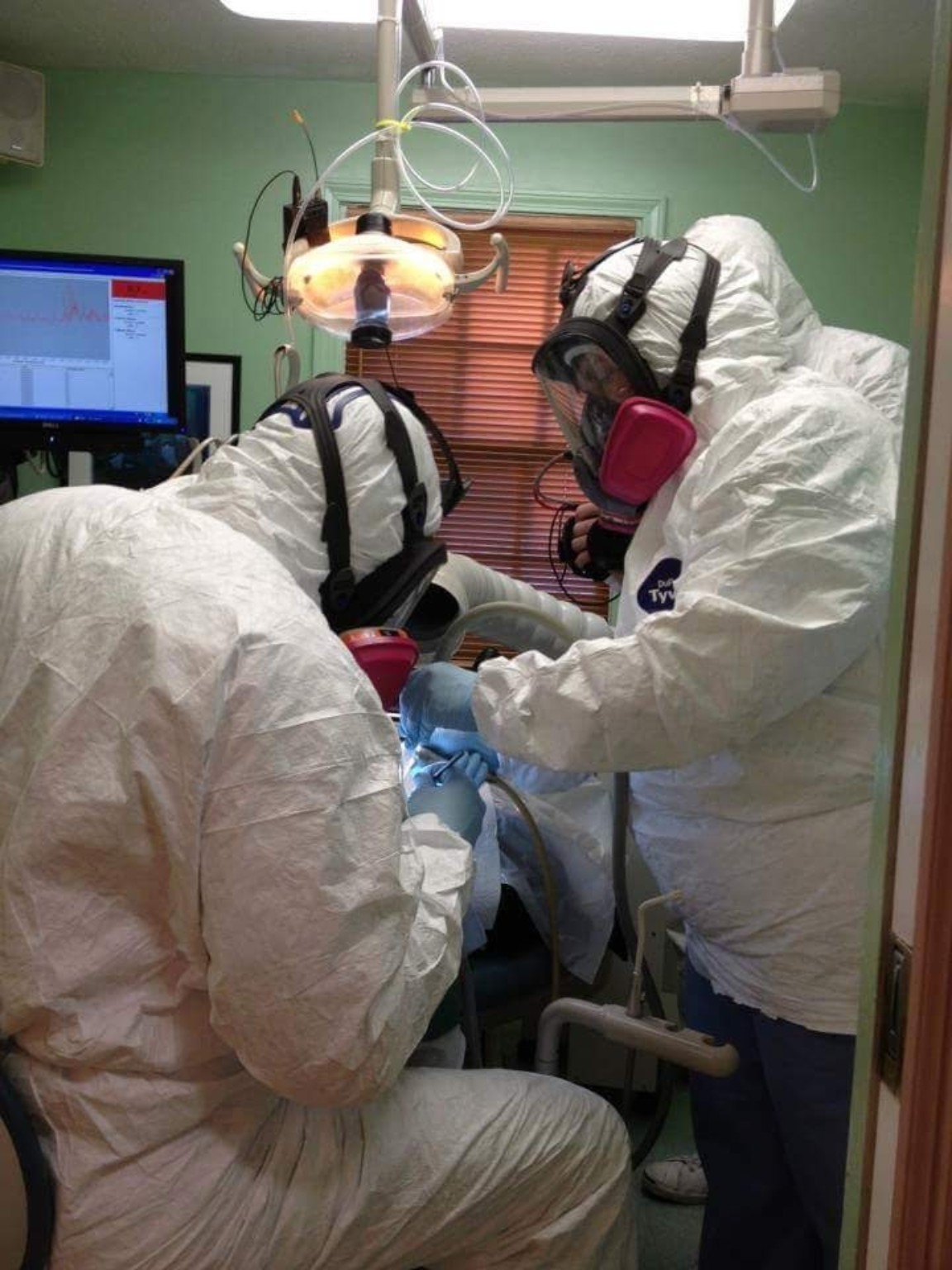
When I began seriously questioning my dental work, I sought out a dentist experienced in removing amalgam and replacing it with composite resin. The work was done in stages, by sections of my mouth, over several years. I cannot remember the exact order of the quadrants now, and it doesn't matter. What matters is that I couldn't afford to do everything at once.
There were long gaps while I tried to find the money. I believe the whole process cost me more than $10,000. I was already struggling to work and function, and paying for the dental treatment became another burden.
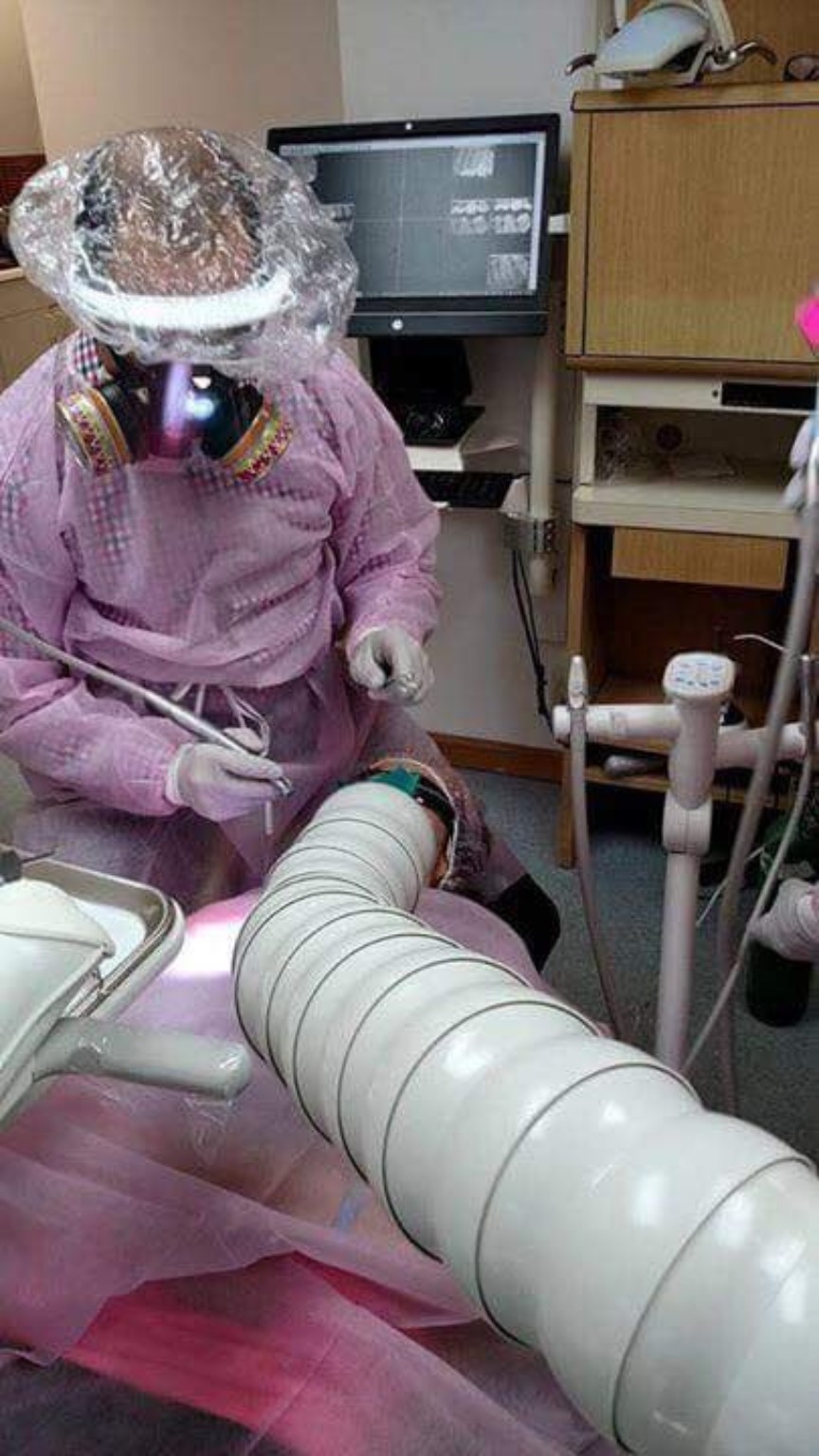
At one point a good friend helped me with a couple of thousand dollars so I could finish. He gave it to me when I was in such a mess, and I have never been able to repay him. I haven't forgotten that kindness.
By 2016, the remaining amalgam fillings had been replaced. After so many years, I was finally finished with that part of the ordeal.
Seeing the masks, protective clothing, suction and other equipment during removal was unsettling. It made me wonder why nobody had taken comparable precautions when my old fillings were drilled out in the 1980s.
I also understand that protective measures during removal do not prove my fillings caused my illness. Drilling out amalgam can temporarily increase mercury exposure, which is one reason removal should be carefully considered and handled professionally. I am not suggesting that everyone with intact fillings should rush to have them removed.
Years of Looking for Answers
For years I researched mercury, talked with doctors, dentists and naturopathic practitioners, and tried to make sense of what was happening. Some of my blood and hair tests did not show levels that doctors considered significant. Other results raised questions for me. I could never get an explanation that seemed to account for the full range of my symptoms.
I spent a long time wondering whether mercury was moving around my body and whether changes in symptoms meant I was eliminating it. That was how I interpreted some of what I felt. I now recognize that symptoms alone cannot tell us whether mercury is being released or removed, and blood, urine and hair testing each have limits depending on the form of mercury and the timing of exposure.
Mercury's effects on the nervous system are well documented in certain exposure settings. The old expression “mad as a hatter” is associated with hat makers exposed to mercury compounds used in felt production. Their exposures were not the same as ordinary dental amalgam exposure, but the history made me want to learn more.
One medical case report especially caught my attention. It described depression, insomnia, memory loss and social withdrawal in a person with chronic inorganic mercury intoxication. Those details sounded painfully familiar to me. A single case report cannot establish what caused my own symptoms, but it helped explain why I kept asking questions.
I must admit that this experience has left me very untrusting of modern medicine and doctors in general. I know there are dedicated people in health care, but I spent years feeling that the questions I was asking were being dismissed rather than investigated. That has stayed with me.
Everything I Tried to Feel Better
Over the years I experimented with an enormous range of approaches. I tried fasting, nutritional changes, supplements, naturopathic remedies, saunas, exercise and just about anything that seemed worth investigating. I once did a 21-day fast using a water, organic lemon juice, maple syrup and cayenne drink. I also worked with a Hahnemannian naturopath for years.
Here is a list from my original account, because it shows just how far I went trying to get my health back:
- Cilantro, chlorella, chlorophyll, bentonite clay (internally and externally), zeolite, psyllium husk and apple cider vinegar.
- Black seed oil, Detoxamin suppositories, alpha-lipoic acid, glutathione, MSM, Lymphdiaral and various naturopathic remedies.
- Vitamins C, E and K, multivitamins, mushroom and cilantro tinctures, and other nutritional supplements.
- Kefir, kimchi, kombucha, hemp seeds, chia seeds, flax seeds, berries, garlic, ginger, greens and cherry juice.
- Saunas, exercise, dietary changes and fasting.
Some things seemed to help me. Some didn't. Some I eventually stopped taking. More recently I have found red-light therapy helpful for some of my skin problems. I still pay close attention to what I eat, how I move and how I feel, but I no longer believe I need an endless collection of supplements just because I once tried them.
Exercise has always mattered to me. I believe in moving every day if you can—walking, stretching, dancing, resistance work, whatever you enjoy and can safely manage. Staying active helped me hold on to something of myself through all those difficult years.
What I Believe — and What I Can Prove
My belief remains that mercury exposure, including the repeated dental amalgam work I had over decades, played a major part in my health problems. I believe it affected my physical well-being, my thinking and my personality, and contributed to my withdrawal from the world.
I also know that belief is not the same as a confirmed diagnosis. Dental amalgam releases small amounts of mercury vapour, but the evidence does not establish that amalgam causes the broad range of chronic symptoms I experienced in most people. My own symptoms could have had more than one contributing cause. I don't want to claim certainty where I don't have it.
But I won't pretend this was a minor inconvenience. It changed my life. It took away work, relationships, confidence, spontaneity and years I can never get back. I want people to understand how deeply an illness can affect someone even when that person looks healthy from the outside.
I can tell you what happened to me. I can tell you what I believe caused it. And I can tell you that the person living through it deserves to be heard.
Why I Started Insure Your Health Yourself
During all this, back in 2009, Insure Your Health Yourself was born. I wanted to help people become more proactive about their health—to ask questions, read labels, understand what they're eating and drinking, and think carefully about what goes into and onto their bodies.
That doesn't mean rejecting every doctor or treatment. It means taking an active interest in your own health rather than waiting for something to go wrong. Prevention, movement, good food, self-reliance and informed decisions have become central to the way I live.
Why I Had to Tell This Story
It took me years before I felt capable of putting this experience into words. Even now, I don't have all the answers. Some symptoms have improved, others have lingered, and I continue to find my way through it.
What hurts most is not just remembering the physical suffering. It's remembering how much of my life with other people slipped away. I was a musician, a band manager, a social person. I became a man who didn't want to answer the phone. That's a hard thing to explain unless you've lived it.
If my story encourages even one person to ask better questions, to take persistent symptoms seriously, or to make more informed choices about their health, then telling it will have been worthwhile.
Your health is your most precious gift. Look after it.
— Ivan Jeffrey Thrasher